
WELCOME BONUS 300%
UP TO €2000 + 100
FREE SPINS
UP TO €2000 + 100
FREE SPINS
Home → Games
Casino games at Fortunica Casino
Sic Bo Pays from 1:1 to 180:1
Specific Triple bets in Sic Bo offer a payout of 180:1, representing the highest return among all special wagers. This steep reward compensates for the associated risk, as this specific outcome carries the worst house edge at 18.52%. High rollers must account for this significant mathematical disadvantage when allocating bankroll for high-variance outcomes.
Any Triple wagers provide a more moderate payout of 30:1, yet they still impose a substantial house edge of 13.89%. The probability of hitting any triple is higher than a specific one, but the reduced multiplier keeps the expected loss rate elevated compared to safer bets like Small or Big.
Single Number bets deliver payouts ranging from 1:1 to 3:1 depending on the number of matching dice, with the best option offering a 7.87% house edge. While these are considered the safest special wagers, the return remains significantly lower than table games like Blackjack. Players seeking consistent returns should avoid these high-edge propositions entirely.
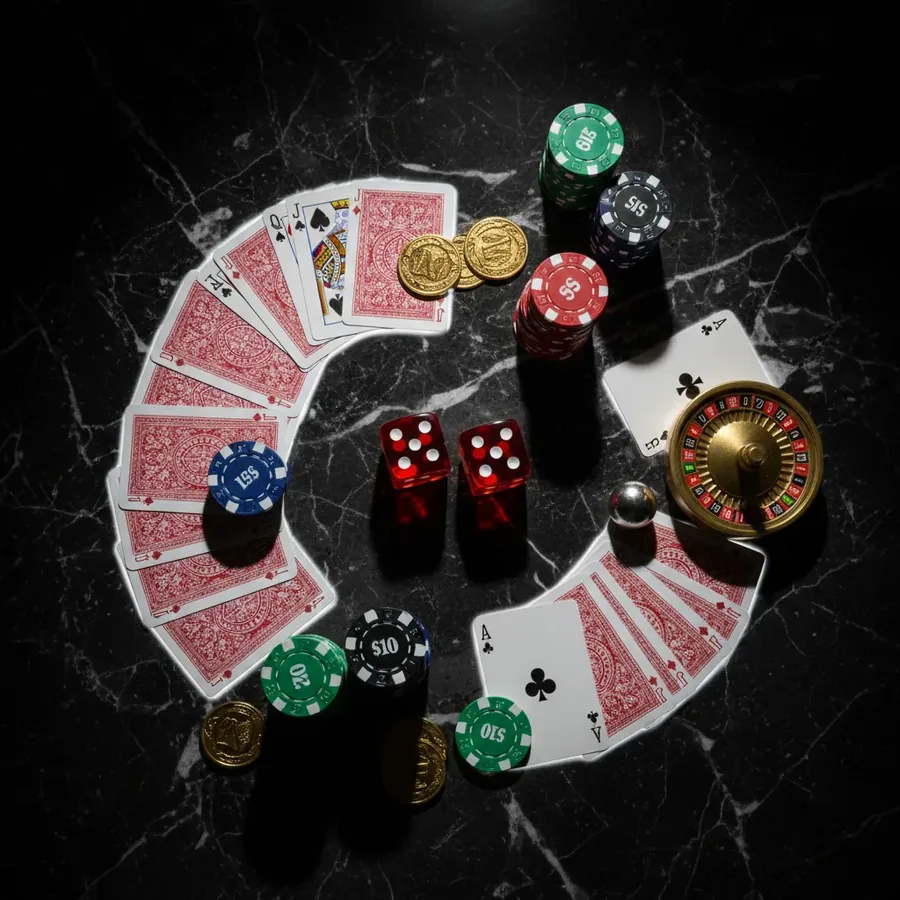
When is Splitting Aces and Eights Sensible?
Splitting Aces allows players to create two new hands starting with an Ace, typically limited to receiving only one additional card per split. This rule modification improves the Return to Player by approximately 0.08 percentage points compared to games restricting further hits. For high stakes, maximizing potential hands from a strong starting card is mathematically advantageous despite the card limitation.
Resplitting Aces further enhances player odds by allowing the creation of additional hands if another Ace appears after the initial split. This adjustment contributes a positive 0.08 percentage point shift to the RTP, making the game structure more favorable. High rollers benefit from this flexibility as it increases the volume of betting opportunities during a single round.
Standard splitting rules permit up to four hands when doubling down on pairs, excluding Aces which usually restrict double-down actions post-split. The combination of resplitting Aces and allowing doubles on other pairs reduces the overall house edge significantly. Understanding these specific rule interactions is critical for optimizing bet sizing in high-limit environments.
Video Poker: check payout table before betting
Jacks or Better 9/6 tables feature a Full House paying 9 coins and a Flush paying 6 coins, yielding a 99.54% Return to Player. This full-pay structure requires maximum bets of five coins to unlock the Royal Flush bonus of 4000 coins. Without the max coin wager, the effective return drops drastically, undermining the low 0.46% house edge.
Deuces Wild Not So Ugly Ducks offers a 99.73% RTP with Five of a Kind paying 16 coins and a Straight Flush paying 10 coins. Although this volatility differs from standard Full Pay tables, the high return makes it suitable for skilled players. The presence of wild cards changes strategy significantly, requiring precise decision-making to maintain the theoretical advantage.
Comparing the 99.54% RTP of Jacks or Better against the 99.73% RTP of Deuces Wild reveals subtle differences in long-term expectations. Both games require optimal strategy to achieve their stated percentages, as deviations increase the house edge rapidly. High rollers should verify the specific paytable before sitting down, as even minor variations can alter the profitability of extended sessions.
Declining Insurance: The Most Common Blackjack Mistake
Dealer Hits Soft 17 adds exactly 0.22 percentage points to the house edge, worsening the player's position compared to dealers standing on soft 17. This rule change is particularly detrimental because it increases the frequency of dealer busts less often while maintaining stronger hand values. High rollers facing this rule must adjust their basic strategy to mitigate the increased mathematical disadvantage.
The Six Deck composition introduces a marginal 0.02 percentage point disadvantage compared to eight-deck shoes, slightly improving the base RTP. However, this minor gain is often overwhelmed by other unfavorable rules like the Dealer Hit Soft 17 provision. Players must weigh multiple rule variables simultaneously rather than focusing solely on deck count.
Insurance bets are generally advised against due to the unfavorable odds created by the specific distribution of ten-value cards. Declining insurance preserves the lower house edge established by the core game rules, such as the 0.22% penalty for H17. Accepting insurance effectively locks in a negative expectation bet that erodes the bankroll over time.
Split 17:1 and Corner 8:1 in Payout Comparison
American Roulette straight bets pay 35:1, while split bets offer 17:1 across 38 sectors including both zero and double zero. The presence of the double zero increases the house edge to 5.26%, making it significantly worse than European variants. High rollers should avoid American wheels due to the doubled disadvantage inherent in the extra green pocket.
Corner bets in American Roulette cover four adjacent numbers and pay 8:1, maintaining the same 5.26% house edge as all other outside wagers. This consistency means no specific bet type offers a mathematical advantage within the American wheel framework. Players seeking better odds must switch to European or French roulette where the single zero reduces the edge to 2.70% or 1.35%.
French Roulette with La Partage refunds half the stake on even-money bets when the ball lands on zero, lowering the house edge to 1.35%. This rule applies exclusively to outside bets like Red/Black, leaving corner bets without protection against the zero. For high-stakes players, the reduced edge on even-money bets makes this variant the most mathematically sound choice available.
Game categories at a glance
| Category | Examples | Stakes From | Highlight |
|---|---|---|---|
| Slots | Big Bad Wolf Megaways, Cygnus 4, Money Train 4 | 0,10 EUR | thousands of titles |
| Table games | Roulette, Blackjack, Baccarat | 0,50 EUR | classic rules |
| Live casino | Lightning Roulette, Quantum Blackjack Plus Live | 0,20 EUR | real dealers |
| Jackpot games | Mega Moolah, Divine Fortune, Age of the Gods | 0,20 EUR | progressive pools |
| Instant games | Aviator, Plinko, Mines | 0,10 EUR | fast rounds |
| Video poker | Jacks or Better, Deuces Wild | 0,25 EUR | strategy based |
37 vs. 38 Sectors: What the Double Zero Costs
The European Roulette wheel contains 37 sectors including a single zero, which results in an RTP of 97.30% and a house edge of 2.70%. This mathematical structure ensures that all bets pay out at standard rates while maintaining a constant advantage for the casino across every possible wager type. High rollers should note that this lower edge makes European tables significantly more favorable than their American counterparts for long-term bankroll preservation.
The American Roulette variant features 38 sectors due to the addition of a double zero pocket, increasing the house edge to 5.26% on all standard bets. This structural difference effectively doubles the casino's theoretical retention rate compared to the European version, making it a costly choice for serious players. The straight bet pays 35:1, but the presence of the extra zero reduces the overall return percentage to 94.74% for every euro wagered.
A specific exception exists in the American wheel with the Five Number Bet covering 0, 00, 1, 2, and 3, which carries an RTP of only 92.11%. This side bet has a house edge of 7.89%, making it the worst option on the entire table despite paying 6:1. Players aiming to minimize losses must avoid this trap entirely, as its edge exceeds the standard 5.26% by a significant margin.
Craps Odds Bet with 0 Percent House Edge
The Craps Free Odds bet is unique because it carries a house edge of 0.00%, paying out according to true mathematical probabilities rather than casino margins. When placed behind a Pass Line wager, this additional stake returns the full amount won without any deduction, offering the best value in the casino. The combined house edge drops to 0.37% when using a 3-4-5x odds multiplier strategy alongside the initial pass line bet.
Specific payouts depend on the established point number, with 4 or 10 paying 2:1 and 5 or 9 paying 3:2 for the odds portion. The 6 or 8 points offer 6:5 odds, ensuring the player receives exactly what probability dictates without any hidden fees or commissions. This transparency allows high rollers to calculate exact expected values for each roll, maximizing the efficiency of their betting capital over time.
The theoretical return on the odds portion alone reaches 100.00%, meaning the casino never takes a cut from this specific component of the wager. However, the total game RTP sits at 99.63% when combining the pass line and the maximum allowable odds bets on a single dice throw. Understanding this distinction helps players allocate their bankroll efficiently toward the zero-edge segment during active gameplay sessions.
Before Double Down: read the open dealer card
Blackjack rules involving H17 (Dealer Hits Soft 17) increase the house edge by 0.22 percentage points compared to standing on soft 17 variations. This rule change negatively impacts the player's expected return, reducing the base RTP and requiring more precise strategic adjustments to maintain profitability. High stakes players must account for this modifier when selecting tables, as it directly affects the long-term viability of their bankroll strategies.
Resplitting Aces improves the player's position by 0.08 percentage points, while allowing Double After Split adds another 0.14 percentage points of advantage. These rule modifiers collectively shift the balance slightly back toward the participant, partially offsetting other unfavorable conditions like the dealer hitting soft 17. Each adjustment changes the fundamental math of the game, so understanding these specific terms is crucial for optimal decision-making.
The most significant penalty comes from changing the Blackjack payout from 3:2 to 6:5, which adds exactly 1.39 percentage points to the house edge. On a ten-euro bet, this reduces the winning payout from fifteen euros to twelve euros, drastically lowering the overall RTP to 98.15%. Avoiding tables with this payout structure is essential for preserving capital, as no other rule change inflicts such a severe financial penalty on the player.
Bankroll for 200 Rounds at 1 EUR
Baccarat Banker bets in an eight-deck shoe carry a house edge of 1.06% and an RTP of 98.94%, making them the statistically safest main wager. A five percent commission on wins reduces the effective payout to 0.95:1, compensating for the banker's slight statistical advantage in drawing the third card. With a low standard deviation of 0.93, this bet offers predictable variance suitable for managing a fixed bankroll over many rounds.
Video Poker Jacks or Better 9/6 tables provide an RTP of 99.54% when played with optimal strategy and maximum coin wagers. The Royal Flush pays 800 coins normally, but jumping to 4000 coins with five coins bet creates massive payout potential for skilled players. This high volatility requires a larger bankroll to withstand dry spells, yet the low house edge of 0.46% ensures strong long-term returns.
Sic Bo Small and Big bets under Atlantic City rules offer an RTP of 97.22% with a house edge of just 2.78%. These even-money wagers cover sums of four through ten for Small and eleven through seventeen for Big, excluding triples which lose both sides. The consistent 1:1 payout structure provides steady action with moderate risk, allowing players to sustain 200 rounds more easily than high-variance specialty bets.
En Prison on Zero Gives Second Chance
French Roulette with La Partage returns fifty percent of the stake on even-money bets when the ball lands on zero, limiting the house edge to 1.35%. This rule applies exclusively to Red/Black, Odd/Even, and Low/High wagers, leaving inside bets like Straights and Corners without any refund mechanism. The effective RTP rises to 98.65%, making it one of the most favorable environments for high-stakes roulette players seeking consistency.
The En Prison rule functions similarly by holding the bet for the next spin instead of immediately returning half, resulting in the same 1.35% house edge. Both mechanisms protect the player's capital against the single zero outcome, significantly improving odds compared to standard European or American wheels. This protection is vital for maintaining bankroll stability during losing streaks on outside bets where variance is typically lowest.
Inside bets in French Roulette lack La Partage benefits, retaining the standard 2.70% house edge found in European games for Straight and Split wagers. The Straight bet pays 35:1, while the Split pays 17:1, but neither offers the safety net provided to even-money propositions. Players focusing on inside numbers must accept higher volatility, as they do not benefit from the reduced edge available to outside bettors.
Hold or discard five cards: the decision
In Video Poker Deuces Wild Not So Ugly Ducks, the natural Royal Flush pays 800 credits while Four Deuces yields 200 credits. This specific payout structure creates a house edge of only 0.27 percent against the player's bankroll over time. High rollers must memorize optimal hold strategies to maintain this low mathematical disadvantage during extended play sessions.
The Straight Flush awards ten credits and Five of a Kind pays sixteen credits in this variant. These values are significantly lower than Full Pay tables but still offer high volatility for large stakes. Players betting maximum coins maximize their potential return despite the reduced top-tier payouts available in this game mode.
Four of a Kind returns four credits while Full House payouts drop to three credits per wagered unit. The Straight and Flush both pay two credits, maintaining consistency with standard wild card mechanics. Understanding these tiers helps analysts calculate expected value accurately before placing significant bets on each deal.
Straight 35:1 Against the Chance of 1 in 37
Roulette Europäisch features thirty-seven sectors including numbers one through thirty-six plus a single zero. A successful Straight bet pays thirty-five to one, reflecting the precise probability of hitting one specific number out of the total wheel segments available to the croupier.
The house edge stands at 2.70 percent for all European Roulette wagers due to the single zero pocket. This constant advantage applies equally to Inside bets like Split or Corner as well as Outside bets such as Red or Black. High rollers accept this fixed cost of play when choosing this format over American variants.
European Roulette allows Dozen and Column bets to pay two to one for covering twelve numbers. The presence of the zero means these even-money outside bets lose slightly more often than fifty percent. Analyzing these probabilities reveals why professional players prefer this wheel layout for its balanced risk profile.
Splitting in Blackjack: one hand becomes two
Blackjack Split rules allow players to divide identical cards into two separate hands, effectively doubling the initial wager amount. This mechanic increases volatility significantly compared to playing a single hand, requiring higher bankroll management from high stakes participants.
Resplitting Aces improves the overall RTP by approximately 0.08 percentage points according to statistical analysis. Allowing further splits up to four hands enhances player flexibility but also increases the casino's exposure to variance during active rounds.
Double After Split provides an additional 0.14 percentage point improvement to the player's expected return rate. This rule permits taking a second card on split hands, offering strategic depth that sophisticated gamblers utilize to minimize the house edge.
The Dealer Hits Soft 17 rule negatively impacts the RTP by adding 0.22 percentage points to the house advantage. Consequently, tables offering Resplit and DAS become mathematically superior choices for experienced players seeking optimal long-term outcomes.
RNG Roulette vs. Live Table: Four Clear Differences
American Roulette contains thirty-eight sectors including both a single zero and a double zero pocket. This configuration results in a straight bet paying thirty-five to one but carries a house edge of 5.26 percent. The extra green slot fundamentally alters the probability distribution compared to European wheels.
The Five Number Bet covers zero, double zero, one, two, and three for a payout of six to one. Despite the generous appearance, this wager suffers from a massive house edge of 7.89 percent. It remains the worst mathematical option on the entire American roulette table layout.
European Roulette offers a superior alternative with only thirty-seven sectors and a lower house edge of 2.70 percent. Players avoiding the American wheel can find better odds on Straight bets paying thirty-five to one. The absence of the double zero slot significantly reduces the casino's average take per spin.
French Roulette introduces La Partage, refunding half the stake on even-money bets when zero appears. This rule lowers the house edge on Red or Black to just 1.35 percent. Such favorable conditions make it the preferred choice for serious analysts evaluating table games.
Blackjack flow: cards, decision, payout 3:2
A standard Blackjack hand pays 3:2, meaning a ten-euro bet returns fifteen euros upon victory. This ratio represents the baseline compensation for achieving a natural twenty-one against the dealer's upcard. Deviating from this payout structure drastically changes the underlying mathematics of the game.
Switching to a 6:5 payout adds exactly 1.39 percentage points to the house edge immediately. For every ten euros wagered, the player receives only twelve euros instead of fifteen on a blackjack win. This change is more detrimental than any other single rule modification allowed in modern casinos.
Baccarat Banker bets carry a 1.06 percent house edge with an effective payout of 0.95 to one. The five percent commission on wins compensates for the banker's statistical advantage in drawing the third card. This side-by-side comparison highlights the precision required in calculating true costs across different table games.
Video Poker Jacks or Better 9/6 pays eighty credits for a Royal Flush with five coins wagered. The Full House returns nine credits and the Flush pays six, defining the full pay table structure. Optimal strategy here yields a 0.46 percent house edge, rivaling the best blackjack variations.
Contact
Live - online chat
Banking









Providers












Fortunica Casino 2026